Smart parking and venue sensing

Know every vehicle. Control every lane.

CYSEN delivers full-spectrum sensor systems for parking operators, smart city teams, stadium operations, and loss prevention groups that need accurate vehicle data without buried hardware, proprietary radio networks, or incomplete event records.

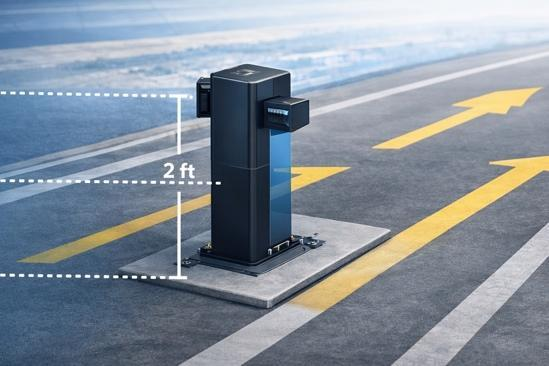
2 lanes per island unit
40:1 sensor footprint advantage
Real-time counts and health status
Open APIs and integrations
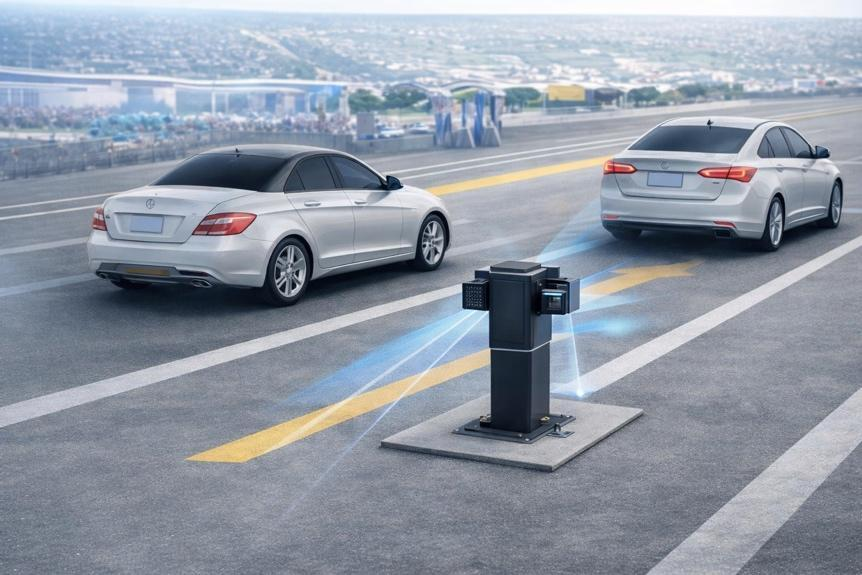
Two-lane CYSEN vehicle detection unit monitoring cars in adjacent lanes
Live lane event Lane 02 counted Uploaded to dashboard and POS reconciliation workflow.
Unit health Online over cellular Counts received as expected during ingress window.
Product family

One sensing platform, multiple operating environments.

The attached CYSEN materials describe a platform that spans curbside occupancy, smart parking, enforcement, APIs, portable deployments, and a newer stadium-ready two-lane vehicle detection system. The website presents these as a complete product family rather than isolated slides.

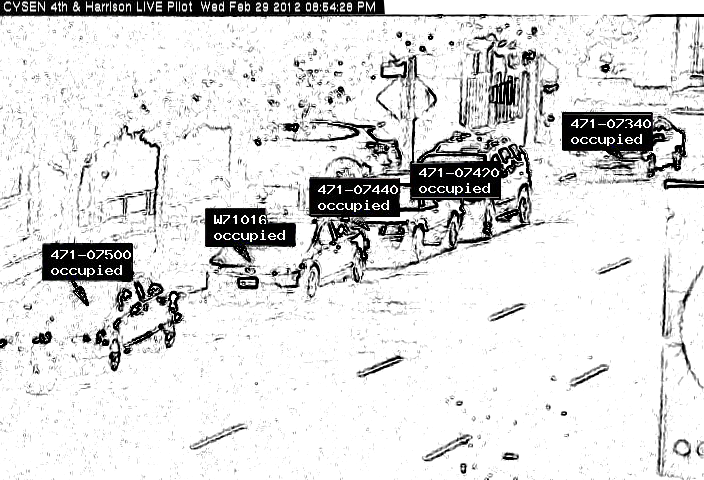
CYSEN street-level detection view showing multiple occupied curbside spaces
Occupancy Turnover

CYSEN Sensor Platform

A full-spectrum smart parking sensor system that captures street-level activity, occupancy status, vehicle/object persistence, traffic counts, and historical search data for parking and smart city programs.

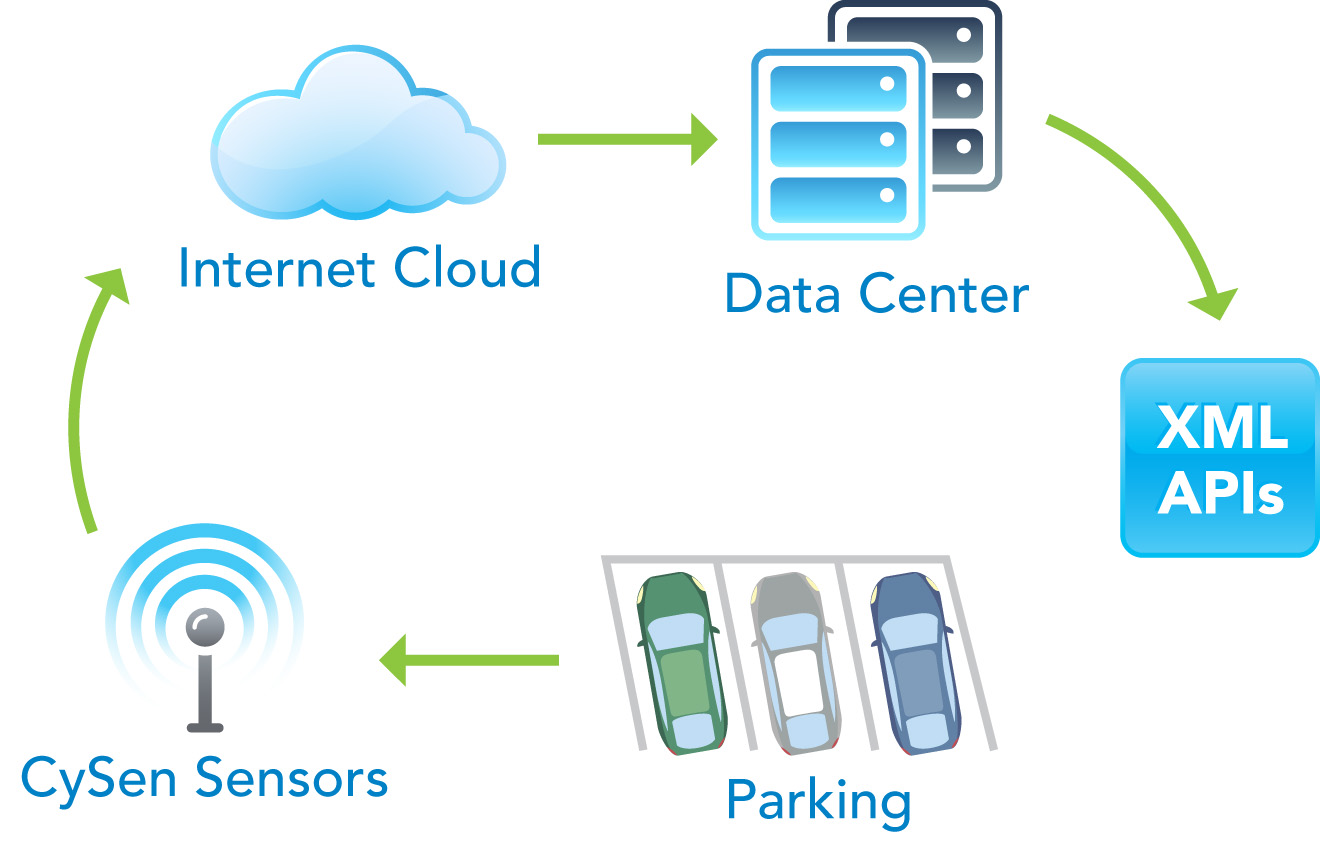
CYSEN information flow from sensors to internet cloud, data center, XML APIs, and parking applications
Open architecture XML APIs

Customer APIs and Integrations

CYSEN publishes data through open API workflows so sensor events can flow into customer systems, smart parking applications, enforcement tools, operational dashboards, and planning databases.

System Health Event ingress monitoring
Live
24active units
4,812vehicles counted
99%received events
3connection paths
North Gate Lanes87%
VIP Entry62%
Overflow Lot43%
Monitoring Audit trail

Health Dashboard

A central monitoring layer shows whether each field unit is online, which connection path it uses, and whether count data is being received during active operations.

Availability Guidance

CYSEN SpaceFinder

A real-time space availability layer that converts sensor events into parking guidance, curb utilization views, and occupancy intelligence for drivers, operators, or city-facing applications.

Clear
Enforcement Same vehicle status

CYSEN Enforcement Tool

An enforcement-ready workflow for determining vehicle/object status over time, supporting meter clearing, length-of-stay review, meter-feeding detection, and auditable field decisions.

Temporary Special events

Portable and Temporary Sensors

Temporary Battery Operated Portable sensing can support special events, non-paved parking, open curbside deployments, and environments where permanent installation is not yet practical.
Platform architecture

Sensor events become operational intelligence.

CYSEN is built around tiered data: occupancy, same-vehicle/object status, vehicle type, non-vehicular objects, traffic counts, analytics, and historical search. The result is a richer record than a single occupied/unoccupied signal.

  • Open, radio-agnostic architecture designed to fit existing and planned infrastructure.
  • Redundant coverage patterns reduce single sensor points of failure.
  • Above-ground deployment avoids asphalt breach, ground contamination, and puck replacement cycles.

Field sensors

Detect occupancy, objects, vehicle type, movement, and lane-level activity.

Internet cloud

Routes sensor data through configurable network paths for each deployment.

Data center

Stores live and historical events for operations, analytics, audit, and dashboards.

APIs and tools

Feeds SpaceFinder, enforcement, customer APIs, XML workflows, and venue reporting.

Occupancy and turnover

Measure whether a space or lane is occupied, when a session starts and ends, and how utilization changes across the day.

Dynamic programmable search

Query historical records to answer operational questions like delivery truck presence, curbside activity, or event ingress patterns.

Motorcycle, vehicle, and object types

Differentiate vehicles, motorcycles, commercial activity, and non-vehicular objects for better planning and enforcement decisions.

Undemarcated sensing

Create virtual stalls on the fly for open curbside, special event, non-paved, or temporary parking areas.

Reverse historical search

Review past activity in the context of a dispute, audit, enforcement action, or planning analysis.

Traffic counts

Use the same sensing infrastructure to estimate traffic counts and understand vehicle movement through an area.

CYSEN advantage

Designed to reduce clutter and uncertainty.

The source materials repeatedly return to the same operational value: high accuracy, fewer points of failure, easy installation and maintenance, flexible configuration, and fewer sensors needed to cover large environments.

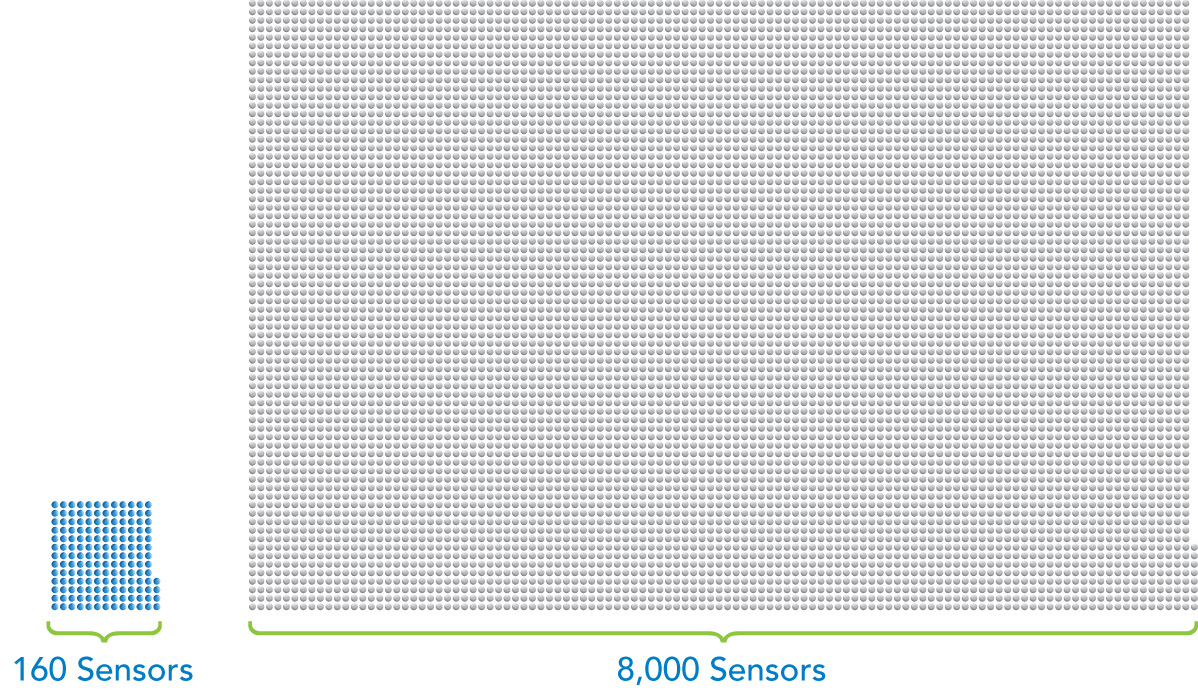
160

Sensors instead of 8,000.

In the CYSEN comparison model, one sensor can cover many stalls, giving operators a dramatically smaller field footprint than stall-by-stall conventional sensor deployments.

CYSEN small footprint comparison showing 160 sensors versus 8,000 conventional sensors

Redundant coverage

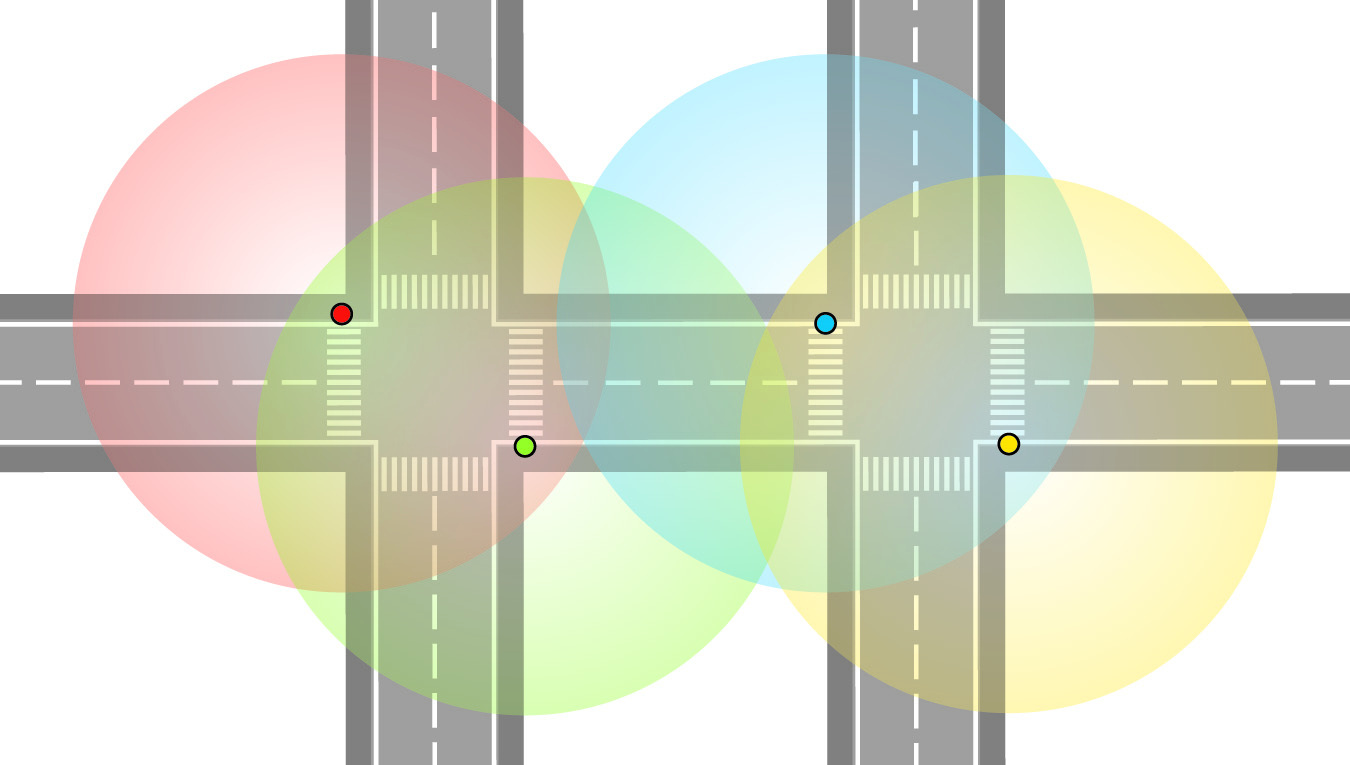
Overlapping sensor patterns can cover each location with multiple sensors, reducing blind spots and limiting single points of failure.

Diagram showing redundant CYSEN sensor coverage across intersecting streets

Auditable data

Sensor events are retained as a reviewable record, allowing operators or selected third parties to verify performance, investigate disputes, and support enforcement decisions.

Highaccuracy in operational environments
Lowinstallation disturbance and excavation
Opencustomer APIs and integration workflows
Flexiblereal-time or historical operating modes
Stadium operations

Lane-level visibility for live event ingress.

Stadium parking teams need to understand how vehicles move through paid lanes while events are happening, not after manual reconciliation is already complete.

For operations teams

Each two-lane unit detects vehicles in real time and uploads count data to a central server, making it possible to monitor ingress activity by lane, event, and time period. That supports better staffing decisions and clearer lane utilization analysis.

For loss prevention teams

The system creates an independent count of vehicles entering the venue so parking transactions can be compared against actual arrivals. Mismatches by lane, cashier, or event window become easier to identify and review.

For revenue reconciliation

Vehicle count data and point-of-sale data can feed the same reporting workflow, giving stakeholders a single view of actual throughput and revenue activity.

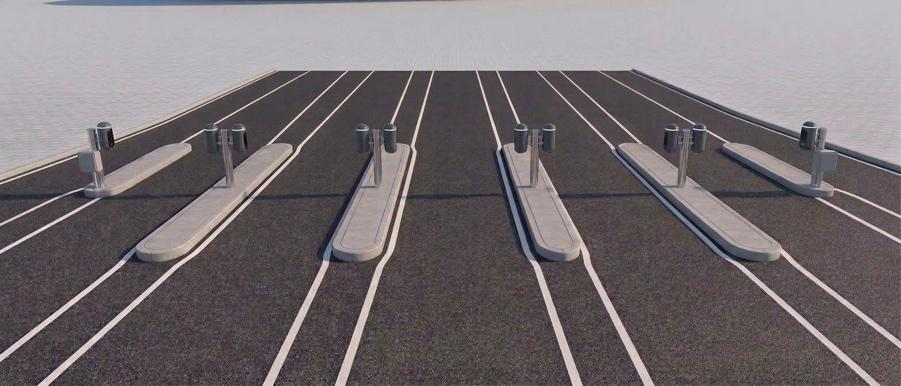
Repeatable two-lane vehicle detection deployment model across multiple parking islands
Repeatable deployment model: scale lane by lane across a property.
Event Reconciliation North Lot · 6:00 PM ingress window
Synced
1,248vehicle count
1,221POS transactions
27review variance
2.2%variance rate
Lane 01Clear
Lane 02Review
Prototype-first rollout

Build, validate, then scale with confidence.

For the stadium product, the recommended next step is a working two-unit prototype covering four lanes total. The prototype proves hardware, count performance, connectivity, dashboard ingestion, and POS reconciliation before broader deployment.

Assemble field units

Build two field-ready posts with detectors, enclosures, power, communications, and control hardware.

Connect data paths

Validate Ethernet, Wi-Fi, or optional cellular depending on lot layout and venue network conditions.

Ingest live counts

Set up the server and dashboard layer so each unit reports status, connection health, and counts.

Reconcile results

Compare count records against parking transactions and lane activity to evaluate operational value.

Ready to move forward?

Scope a CYSEN pilot or product demonstration.

Start with a working session to identify the environment, lanes or spaces to monitor, data outputs, connectivity options, and the dashboard or API workflow required for operations and review.